
Smart clamping technology – A key component in modern manufacturing
Companies that embrace digitalisation and process optimisation at an early stage can reap the benefits and extend their competitive edge. When it comes to software, much is already possible – or has even been implemented. One of the challenges of the REED project is to integrate the individual components into a comprehensive system. But can the tried-and-tested hardware keep pace?
Significant dimensional deviations can sometimes occur, particularly with large, bulky and especially welded workpieces. It is often necessary to align the workpiece in the machine to ensure there is sufficient allowance for all machining operations. Although the actual condition can be compared with the 3D model using camera systems, for example, but the actual alignment and clamping process is usually carried out manually. This requires trained and experienced staff to ensure production quality. The time required can vary and is difficult to calculate. Both the specialist staff and the machine are tied up in the process.
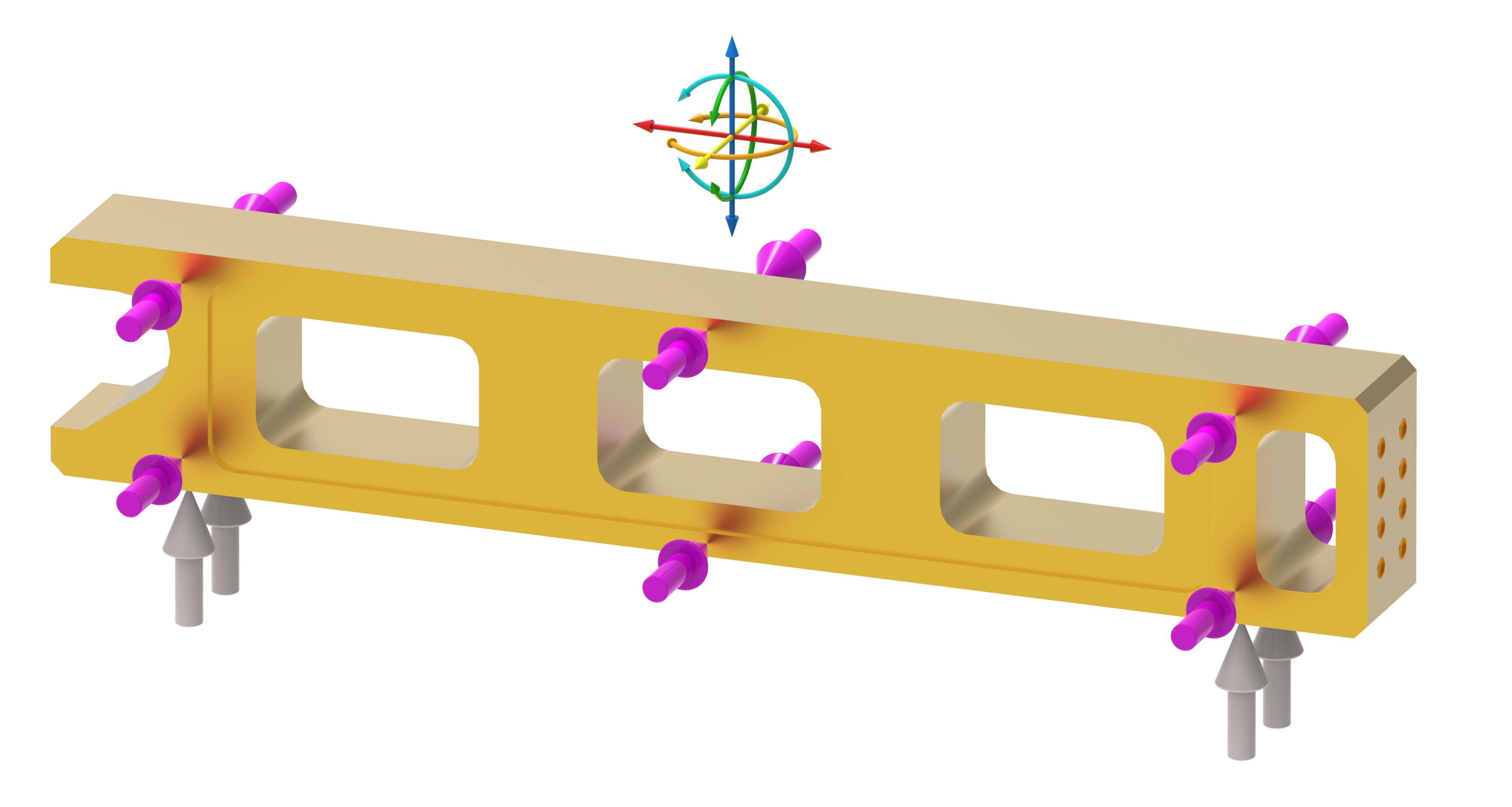
To eliminate this bottleneck, intelligent and automated clamping devices are required. These can be linked to the machine control system and a camera system, thereby automatically handling the alignment and clamping of the workpiece. This approach achieves a significant reduction in non-productive time whilst also reducing the workload on staff. Reduced human intervention results in a more stable and traceable process. Depending on the clamping device’s specifications, further important process data is generated, which in turn can contribute to additional process optimisation. Vibration values, for example, provide insight into tool wear. Monitoring clamping forces can make machining safer and help to avoid scrap or costly rework. The position measurement required for alignment can be used directly to adjust the fixture to changed workpiece dimensions. At the same time, any deviating clamping force specifications for a new workpiece can also be taken into account.
Digitalisation in manufacturing can offer companies significant added value. To achieve this, it is necessary to take a holistic view of processes and rethink existing structures. The REED consortium, which brings together companies from the fields of development and application, ensures comprehensive coverage of the value chain. This enables individual requirements to be taken into account with expertise. The clamping device, which at first glance is not necessarily associated with the topic of digitalisation, is an important component of a comprehensive solution.
Author: Lukas Oheim (MAT)