Digital product passports: a new trust infrastructure for industry
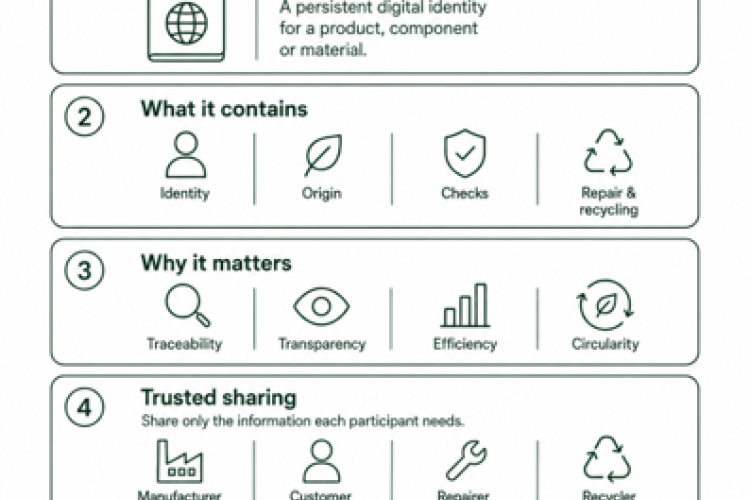
Industrial digitalisation has made it possible to connect machines, factories, suppliers and customers. However, product-related information remains scattered across business systems, production platforms, databases and separate documents. This fragmentation makes it difficult to reliably ascertain what materials a product contains, how it was manufactured, what checks it has passed, what modifications it has undergone, or how it should be repaired, reused or recycled.
The Learning Feedback Loop: Turning Manufacturing Experience into Reusable Knowledge
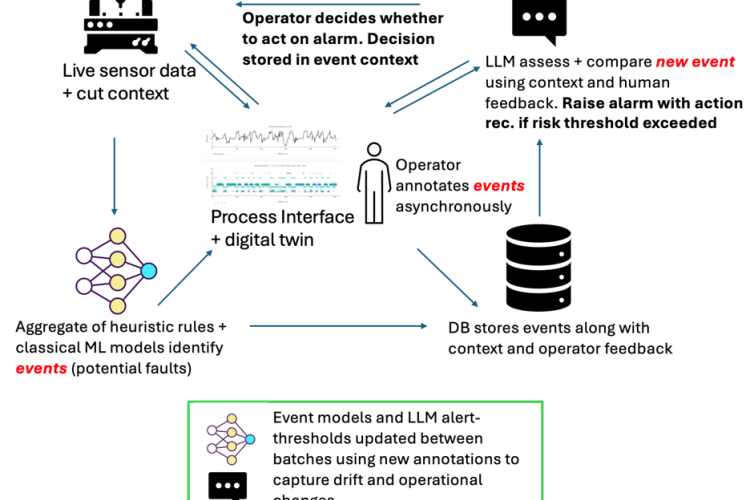
Modern manufacture of bulky parts is highly specialized to the specific piece and presents difficulties for automation in the assessment of process health and downstream quality during production. Yet, early identification of faults, quality issues, or unnecessary operations is crucial to avoid expensive rework and is currently dependent on highly experienced operators familiar with the process manually and subjectively assessing process health. The varying cutting machinery, dimensions and context for such operations complicate the effort of generating models that generalize to capture deviations across parts and machines.
Smart clamping technology – A key component in modern manufacturing
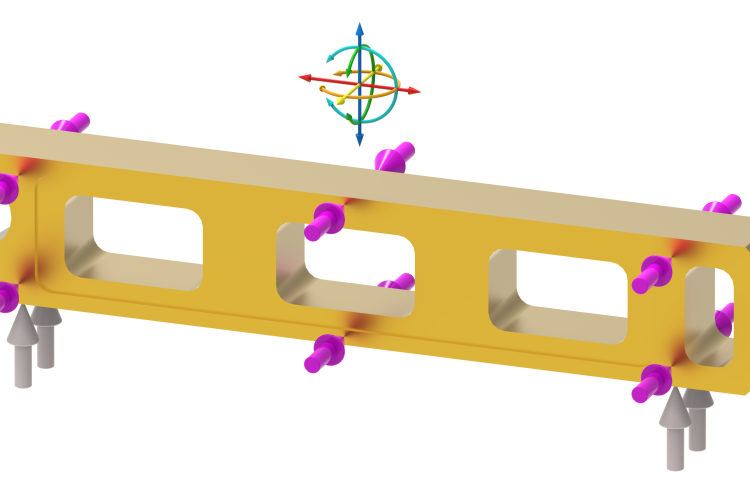
Early digitalisation and the integration of automated, intelligent clamping systems into manufacturing processes enable companies to reduce set-up times, improve process stability and strengthen their competitiveness in the long term.
Beyond the Machine: How Soraluce is Democratizing Precision for Large-Scale Manufacturing
The world of heavy-duty machining is undergoing a silent revolution. For years, the challenge of manufacturing bulky, high-precision parts has been defined by a paradox: while the demand for these components -from aerospace structures to energy generation systems- is skyrocketing, the expertise and specialized technology required to produce them remain concentrated in just a few hands. At the recent BIEMH 2026 (International Machine-Tool Exhibition), Soraluce demonstrated that the future of this sector isn't just about bigger machines, but about smarter access to technology.
Dynamic Integration of Product Carbon Footprints into the Digital Product Passport
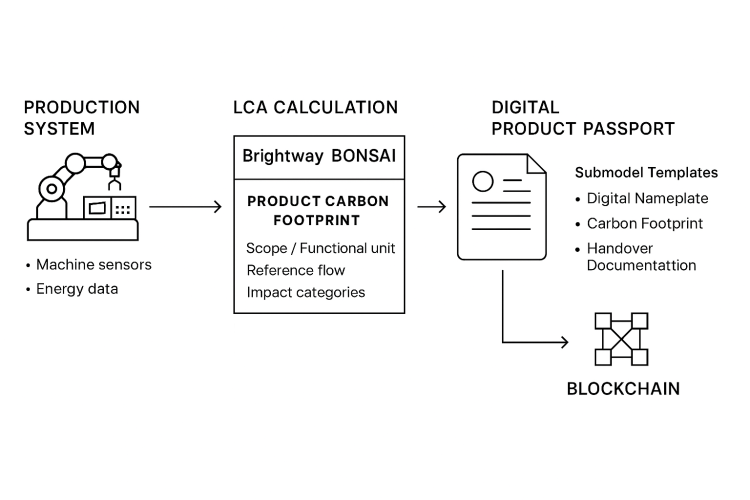
The REED project enables a dynamic, interoperable, and trustworthy Product Carbon Footprint by integrating life cycle assessment-based data into the Digital Product Passport using standardized Asset Administration Shell Submodel Templates and blockchain‑secured traceability.
Manufacturing as a Service (MaaS) – Assessing the REED project from a Life Cycle Perspective
The 2LC blogpost explains how REED integrates real-time sensor data with dynamic Life Cycle Assessment to deliver continuously updated environmental insights and CO₂ tracking through Digital Product Passports, enabling smarter, more transparent, and more sustainable manufacturing decisions.
Subscribe to